This guide aims to ensure that frontline communities – disproportionately harmed by fossil fuel pollution, power cut-offs, and high energy costs – can actively engage in the energy transition.
These testimonies have been submitted to public utility commissions in actual rate cases. They illustrate the kind of information that is typically included in a testimony, as well as the tone and style that is effective with regulators.
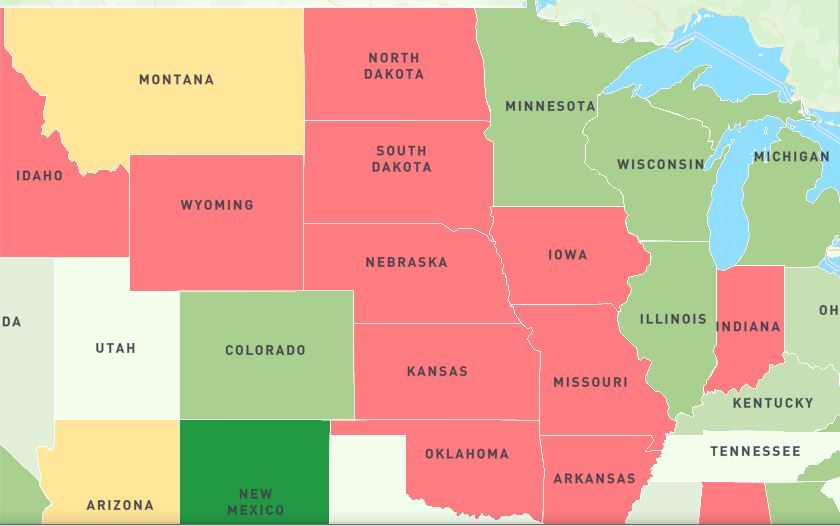
Explore this map to find out what policies are in place where, if there are models of legislation that might work in your state, and the statutes that you might leverage in your own fight for energy equity in your community.
Report documents how state rules support a just and equitable energy transition. Of the 50 states surveyed, 34 have some climate equity measure already in place.
The Climate Resilience Maturity Model is a tool for regulators to hold utilities and companies accountable for meeting their obligation to provide safe, reliable, and affordable service, by managing risks associated with climate change by designing and building systems that are resilient in the face of these increasing risks.