Empowering communities to shape an affordable and equitable clean energy future.
Working closely with partners and community members, we can influence how regulators make important decisions that affect our bills and energy systems.
Low-income households, high energy burden →
- Households with lower incomes spend nearly 18% of their income on home energy and transportation fuel, three times the U.S. average.
- Households spending more than 6% of income on home energy are considered energy burdened.
Energy burden is linked to housing efficiency →
- Households in old or poorly insulated homes spend up to 2X more on heating and cooling.
- Low-income renters often pay up to 30% more for energy than homeowners.
- Home weatherization can reduce energy bills by up to 30%.
Electricity rates have risen faster than inflation →
- U.S. electricity rates increased by about 25% in the past decade.
- Bills rising much faster for residential customers than for commercial and industrial ratepayers.
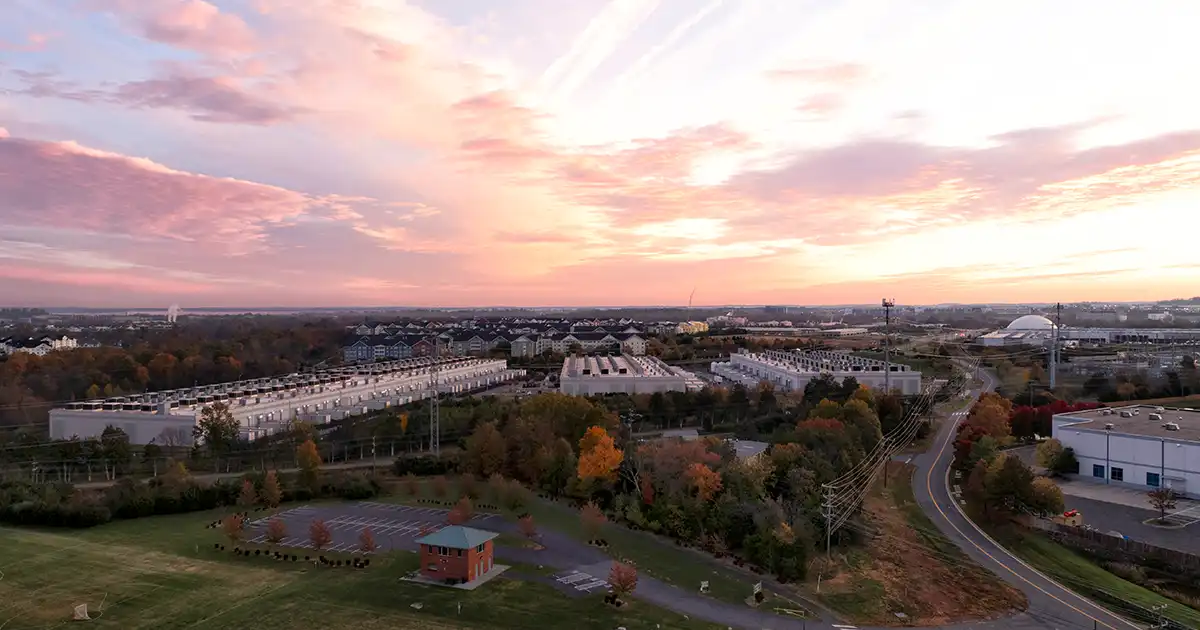
- Datacenter demand threatens to drive even bigger cost increases.
Only a fraction of eligible households receive energy assistance →
- Only 20% of eligible households receive any energy assistance.
- Only 2% of eligible households receive deep home retrofits.
- 20% of every energy bill goes to shareholder profits.
Energy insecurity dramatically increases poverty risk →
- Households experiencing energy insecurity have a 50-100% higher risk of entering and remaining in poverty.
- Utilities shut off electricity to 7 million customers per year, including 28% of households with children under 5.
Small changes can close the affordability gap →
Solutions
- Shift focus from collections/shutoffs to affordability programs.
- Raise commercial and industrial rates slightly to reduce energy poverty.
- Listen to community needs and concerns.
The Latest from Community Voices in Energy



Filter


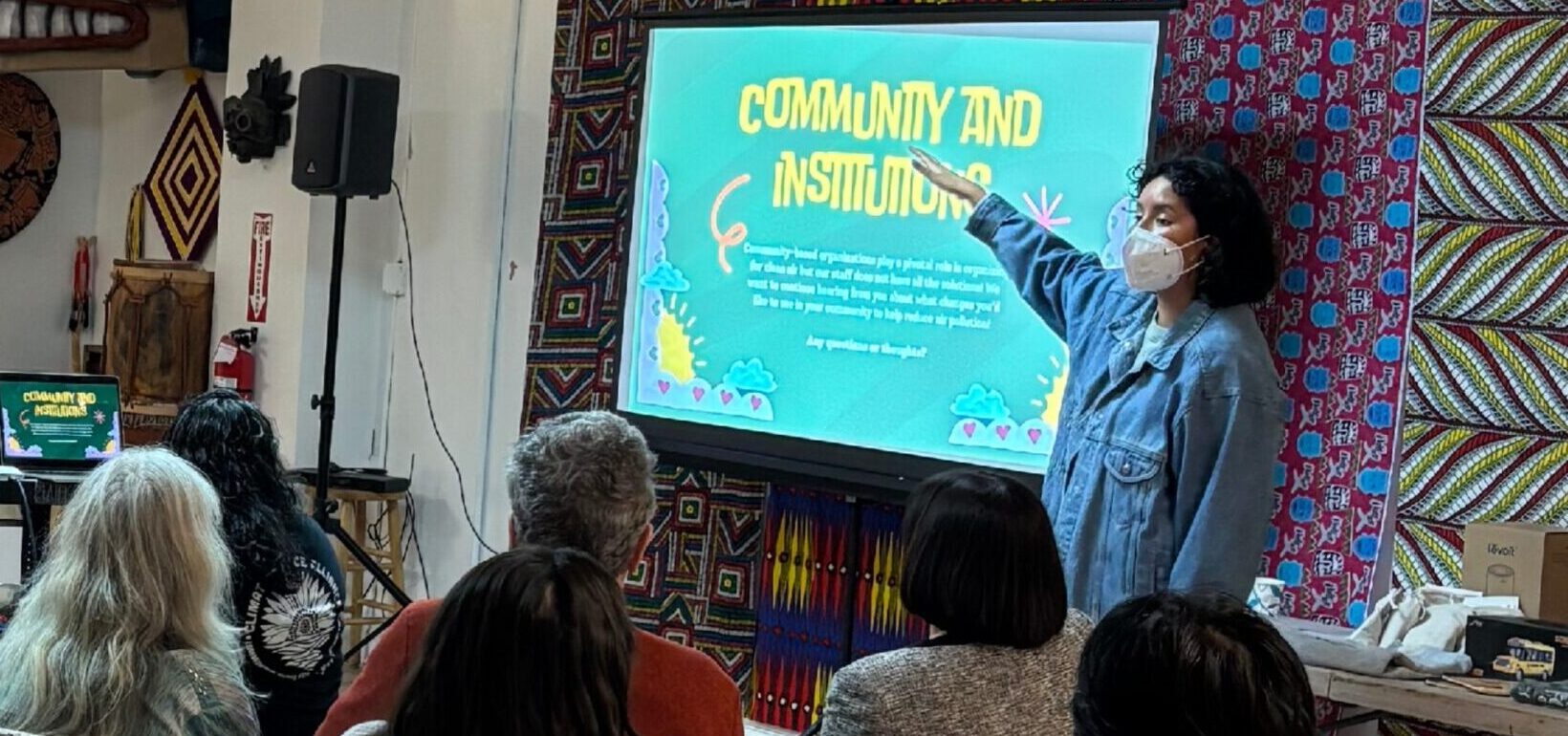
Join the Movement for Energy Justice.
Are you interested in testifying in a utility rate case or becoming certified as an energy justice intervenor?